Frustration surrounds England's missed World Cup opportunity, with tactical caution and missed chances leading to their exit from the tournament.
As the dust settles on England’s departure from the World Cup, the lingering frustration is palpable, rooting in a unique blend of poor tactics and unfulfilled potential. One hour post-match, I found myself in the usual whirl of reporting duties: delivering a match analysis, taking part in Radio 4 discussions, recording a podcast, and posting video reactions. This time, however, there was no catharsis; the anger remains.
This ire comes primarily from a gripping sense of lost opportunity. Thomas Tuchel's earlier comments regarding Gareth Southgate’s England resound with unsettling clarity now: “They were more afraid to drop out of the tournament than having the excitement and hunger to win it.” These words echo back from an interview before his first game as the England manager in March 2025, encapsulating a sentiment that haunts today's squad.
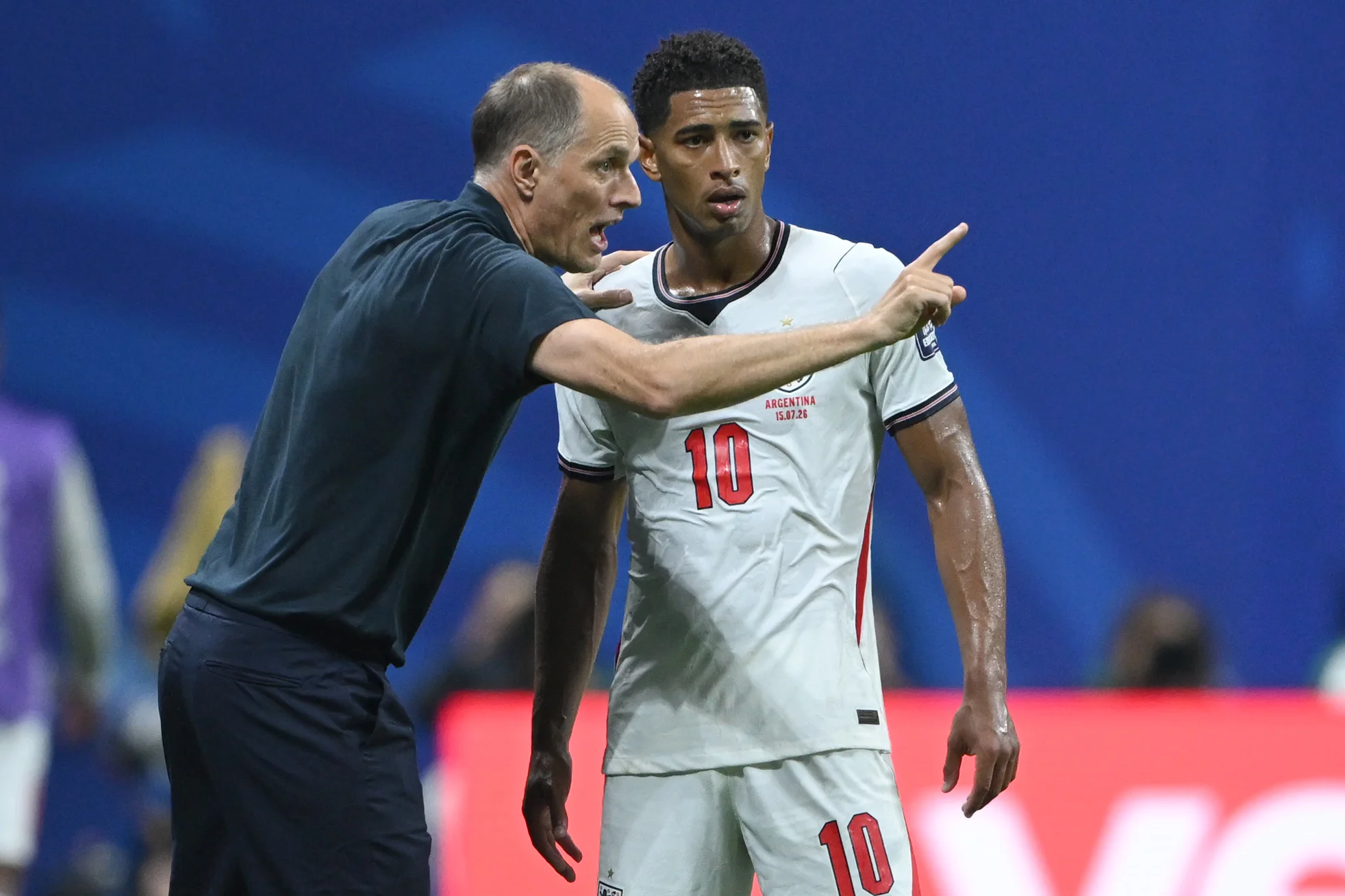
England’s performance was marked by a conservative strategy during critical moments—a habit that has drawn heavy criticism towards Southgate. In the match against Argentina, England once again retreated into a defensive stance, showcasing a lack of ambition, particularly evident in the game’s latter stages. Tuchel’s substitutions, aimed at shoring up defense, ironically undermined their chances.
The statistical fallout from those final 37 minutes is damning: England managed a mere 12% possession after Anthony Gordon netted the opening goal. That window represented crucial lost time, allowing Argentina to regain control and ultimately triumph. Instead of pushing forward, the team became passive, preventing them from solidifying their lead.
This strategic failure lies squarely on Tuchel's shoulders, who instead of erasing fear from the squad, compounded it. Gordon's goal effectively muted England's offensive options, leaving them bereft of an escape strategy. It's disheartening to hear Tuchel shift some blame onto the players when he himself crafted a defensive play that invited pressure.
While discussions around Harry Kane's future intensify, let’s be clear: he should not retire just yet. Despite a disappointing performance, Kane remains England's strongest attacking option and likely still has enough firepower for the 2028 Euros. However, many fans are struggling with the reality that this World Cup may have been his last shot at glory, further fueling the collective anger over a squandered opportunity.
Penalties are a turbulent battlefield—Jordan Pickford's preparation reflects the intense scrutiny goalkeepers face in these high-stakes moments. His water bottle, adorned with tailored advice against various Argentine penalty-takers, highlights the mental game at play. With specific strategies laid out for stars like Messi and Gonzalez Montiel, it's evident that this tactical preparation sometimes falters under pressure, as seen with Lloris’s previous missteps.
Meanwhile, the anticipation surrounding the bronze medal match felt like an afterthought. Touted as “El Losico,” it generated minimal buzz beyond individual accolades, particularly for players like Kane and Jude Bellingham vying for the Golden Boot. Ticket prices rapidly declined, diminishing interest further, making it less enticing than even FIFA's parking fees for the event.
Ambling through a vibrant crowd of Argentina supporters post-match, it was hard not to notice the contrasting atmosphere. Families donned Messi jerseys, countering the narrative of hostile fans; in reality, many were gracious and friendly. My England-supporting companion shared congratulatory sentiments with a few of them—a testament to the shared love of the sport, even amidst rivalry.
For Major League Soccer (MLS), this World Cup created an unprecedented marketing opportunity. With Lionel Messi as the tournament's centerpiece, particularly on US soil, it presented a unique chance to elevate the league's profile. If Messi could lead Argentina to victory or even claim individual honors, it would mark a significant milestone for MLS as it strives for deeper integration into American sports culture.
Traipsing out of the stadium, it was clear the narrative now pivots toward what lies ahead. This World Cup might mark the end of an era for certain players while paving the way for new talents. Yet, the overarching sentiment remains that today's disappointment could have been a triumphant story of success.
To follow the aftermath of this journey and all updates on the World Cup, feel free to explore more in Henry Winter’s ongoing diary entries.



Discussion
Sign in to join the discussion.