Lando Norris expects a demanding Monaco Grand Prix in 2027 due to the Sprint format requiring drivers to adapt quickly in limited practice time.
As excitement builds around the 2027 Formula 1 calendar, one of the most notable changes is the introduction of a Sprint format at the iconic Monaco Grand Prix. This decision, part of a 24-race series, marks the first time Monaco will host this alternative format, adding a layer of complexity to an already challenging race. Monaco, known for its glitzy backdrop and notoriously tight street circuit, has long been considered one of the premier events in the F1 calendar. The Sprint format promises to invigorate the weekend, but also raises questions about race strategy and the overall dynamics of the event.
Understanding the Sprint Format in F1
The Sprint format, which was first tested in F1 during the 2021 season, involves a shorter race that takes place on Saturday, determining the starting grid for the main event on Sunday. Traditionally, race weekends feature a more leisurely pace, allowing teams and drivers to fine-tune their strategies over three practice sessions. With the new setup in Monaco, this is set to change dramatically. By compressing the schedule, teams will face the challenge of maximizing performance with significantly less data to rely on. The Sprint race will be crucial, as it could dictate qualifying positions for the more extended Sunday race.
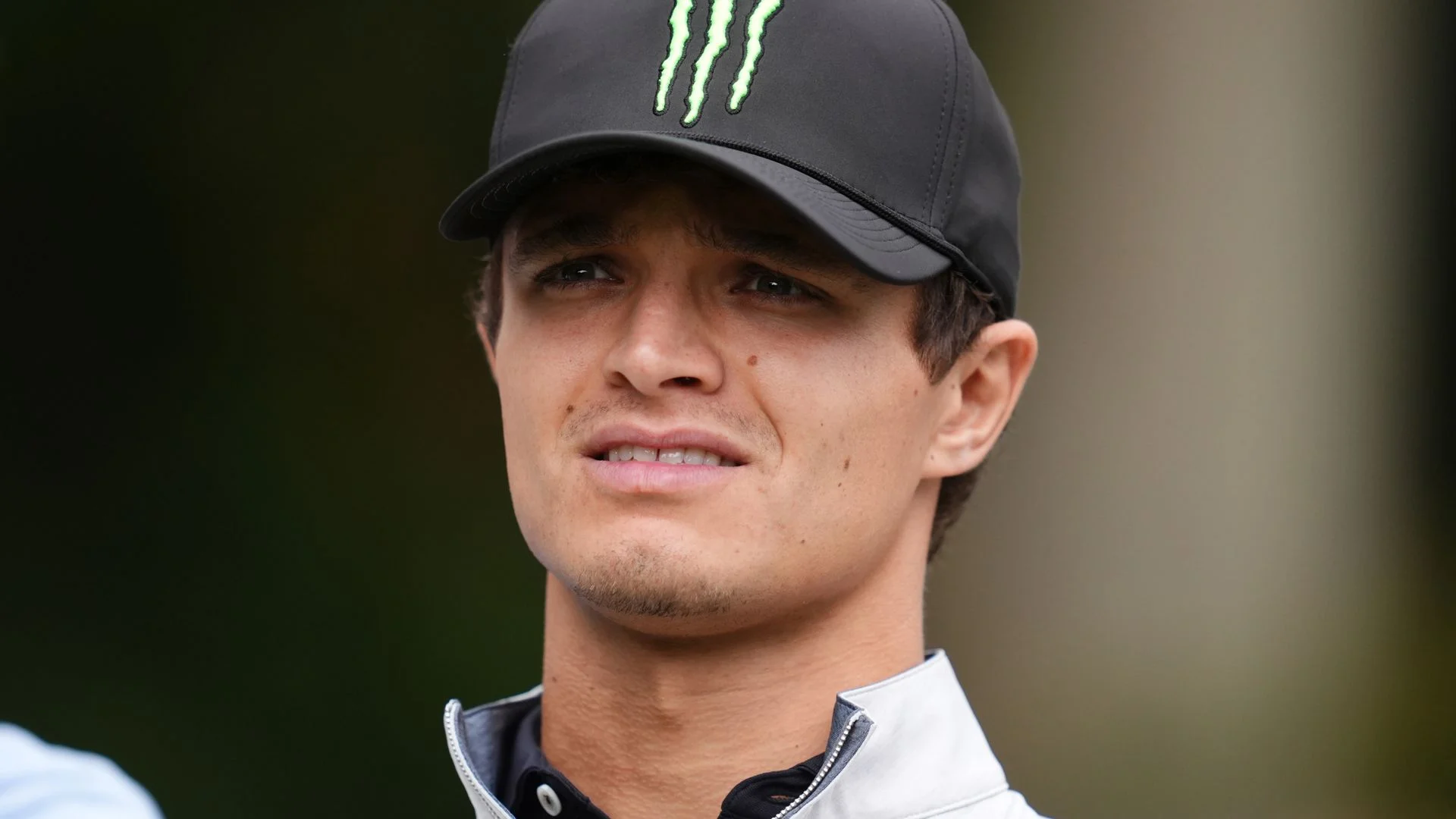
World champion Lando Norris shared his thoughts on the upcoming event during a recent appearance at the BMW PGA Championship Pro-Am. He stressed that the Sprint weekend presents an unusual setup with just one practice session before qualifying and the race. “The main thing is that means you've got FP1 and then [Sprint] qualifying on Friday – which is the challenge,” Norris remarked. By eliminating additional practice sessions, teams must sharpen their focus to gather critical data quickly, which could amplify the competitive edge for those drivers who can adapt and refine their setups rapidly. Here's the thing: when you add in Monaco's unique demands, the stakes rise considerably.
The Challenge of Monaco
The steep learning curve of the narrow Monaco circuit, known for its tight turns and minimal overtaking opportunities, will be further exacerbated by the compressed schedule. Drivers usually benefit from three practice sessions to acclimatize and fine-tune their cars on the twisty streets lined with unforgiving barriers. However, the 2027 configuration allows just one hour for these imperative adjustments. Norris pointed out, “You don't have as much time to build up to things, so you're probably going to have to try and risk a little bit more early on.” The Monaco track's reputation for unpredictability suggests that this risk-taking could lead to significant consequences, either glorifying or undermining a driver's efforts.
The added pressure from this new format could heighten tension among drivers. With only one practice session to gather data and assess their cars, they will need to draw heavily from their previous experiences and data from earlier races. Fast adaptation will likely differentiate the successful from the less fortunate, emphasizing the skills of seasoned professionals. In a place where precision is paramount, a single misstep could end a race weekend early, a reality that Norris alluded to when he observed, “In Monaco, when you go to that limit, game over,” underscoring the high risks involved in seeking to master such a challenging track.
Implications for the 2027 Monaco Grand Prix
This Sprint format is designed to inject more excitement into the race weekend, not just for participants but for fans as well. As Norris noted, the added challenge in Monaco could lead to unpredictable and thrilling racing moments. “It's more exciting for the fans and the people watching,” he stated, capturing the essence of what teams and organizers aim to achieve with this new scheduling approach. The shift towards a Sprint format across the calendar might appear as an effort to enhance viewer engagement, but it also carries the risk of alienating traditionalists who appreciate the classic race structure.
However, decisions like this reveal something deeper about F1's trajectory. If you’re working in this space, you’ll recognize that the sport is increasingly exploring ways to attract younger audiences, who often prefer dynamic and fast-paced entertainment. The Sprint format complements this trend, offering a quicker, sharper experience that can engage fans who might be less patient with the traditional race format. The risk management aspect will also be under closer scrutiny. Will the more aggressive strategies produce meaningful results, or will they lead to chaos on the streets of Monaco, bringing unnecessary incidents that detract from the prestige of the event?
Looking Ahead
Norris has previously won the Monaco Grand Prix from a pole position during his successful title campaign in 2025, setting the stage for a thrilling return to the principality in 2027. The implications of this new format, compounded with the challenges of the Monaco circuit, make for a compelling narrative: can a driver known for adaptability seize the day, or will others rise to the occasion in unpredictable fashion? Speculation is rife. While it remains to be seen how this Sprint format will unfold in practice, what’s clear is that it could forever change how races at Monaco—and possibly other venues—are approached in the future.



Discussion
Sign in to join the discussion.