Explore an in-depth analysis of the 2026 FIFA World Cup, from key matches to player performances and tactical insights.
With the 2026 FIFA World Cup, football fans witnessed an event marked by record-breaking attendance and participation. This edition proudly featured an expanded roster of 48 teams, pairing up to deliver 104 matches across three host nations: the United States, Canada, and Mexico. While the sheer scale of the event was impressive, questions remain about whether it delivered the quality expected at such a premier tournament.
Unpacking the Scale of the Event
The decision to increase the number of teams from the traditional 32 to 48 represents a significant shift in FIFA's approach to the World Cup. This restructuring aims not only to promote inclusivity by allowing more nations to participate but also to widen the audience base and generate greater revenues. However, larger tournaments often run the risk of sacrificing quality for quantity. The 2026 World Cup was certainly ambitious, but was it too much? Questions about match integrity lingered, causing some purists to ponder whether expanding the format truly enhances the spirit of the game.
Matches That Defined the Tournament
Among the many matches, only a select few will stand out in memory. The tournament's format, with its frequent hydration breaks and numerous advertisements, diluted the on-field action, leaving many viewers yearning for a more fluid experience. Hydration breaks, while essential, also disrupt the game's rhythm, shifting the focus from the artistry of play to commercials and corporate sponsors. And yet, the drama of the World Cup remains unparalleled—not just because of the matches played, but due to the stories that unfold on the pitch. There’s a reason fans return for every tournament: football’s magnetic allure.
Nevertheless, no aspect of football ignites passion quite like the pursuit of World Cup glory, a sentiment echoed by Didier Deschamps when he told his 2018 French champions, “Whatever your career now, you will always be world champions, and no one can ever take that away from you.” Such sentiments encapsulate the essence of this tournament, even amid criticisms about its execution. Even amid hydration breaks and marketing pushes, this drive toward greatness remains the heart of football.
Insights from World Soccer
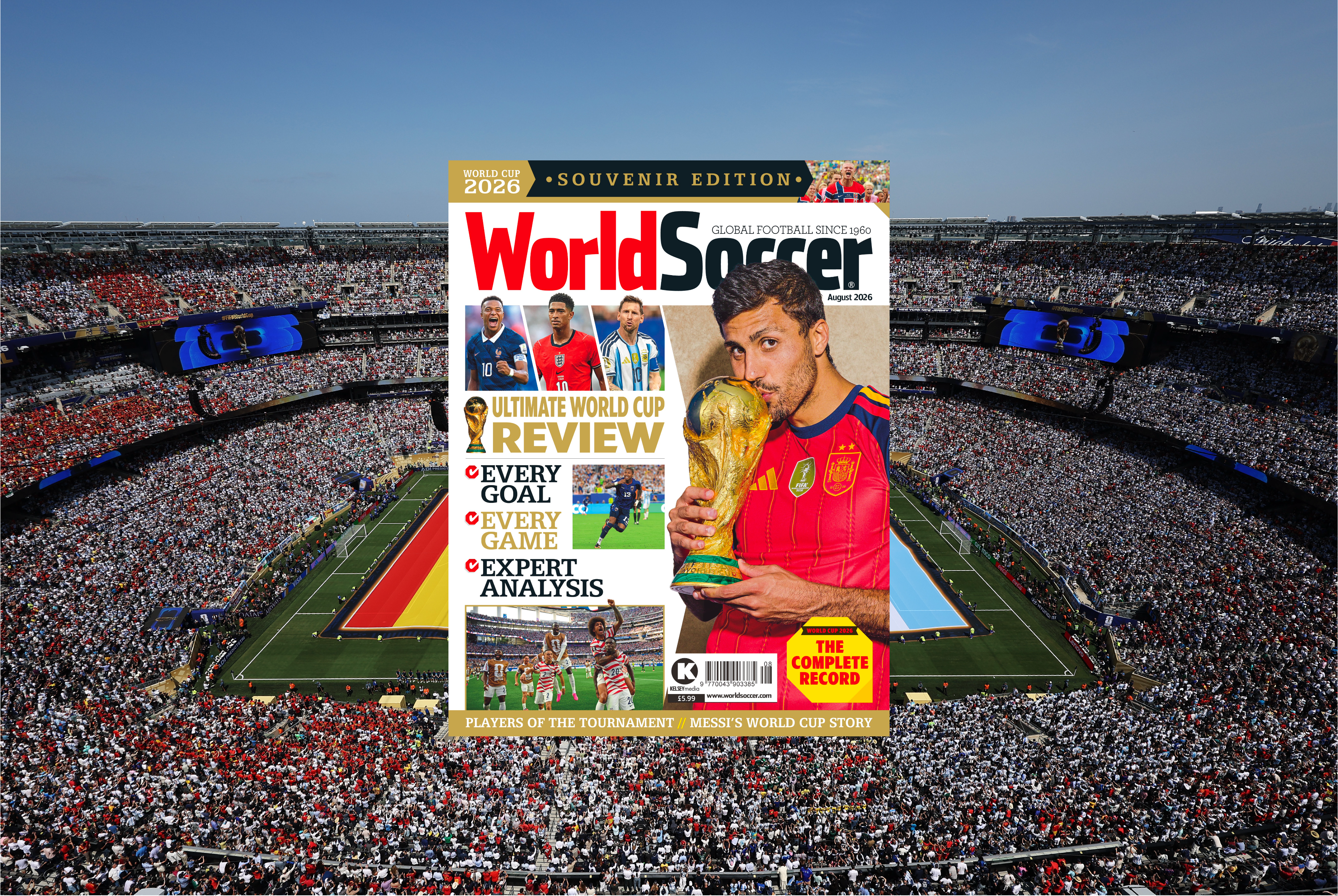
This issue of World Soccer meticulously recounts the 2026 tournament. Readers will find a detailed overview, including every game played, goal scored, and notable player performance. Beyond statistics, the publication aims to delve into the emotional truths of the tournament, exploring what it means to experience World Cup football. Tactical analyses and team rankings complete the image of a World Cup that, while grand in scale, sparked debate over its overall execution.
Contents Overview
The publication presents insights structured across varied segments:
- In Pictures - A visual summary of key moments, allowing readers to relive the highlights and emotions of the event.
- Tournament Overview by Keir Radnedge - An expert’s lens on the event, offering seasoned perspectives on what worked and what didn't.
- Tim Vickery - An exploration of Lionel Messi's World Cup legacy, a topic that connects past glories with the future of football.
- Player of the Tournament and Team-by-team Analysis - Identifying standout individuals and squads, spotlighting not just the stars but also those who may have flown under the radar.
- Analysis by Henry Winter - A look at England’s Jude Bellingham as a potential future captain, offering insights into what leadership looks like in this new era.
- Notable Takeaways - Insights into key lessons from the tournament that could inform future competitions and strategies.
- Jonathan Wilson - A critical look at Deschamps’ departure and its implications, raising questions about leadership and transitions in high-stakes environments.
- The World Cup in Numbers - A statistical breakdown of the event, providing a quantitative lens through which to evaluate its success and challenges.
Details on the group and knockout stages enrich the account further, providing context for every match that captivated audiences worldwide. This isn’t just a retrospective but a precursor to understanding how football evolves. The analysis asks questions that resonate beyond this tournament, such as whether these adjustments can make or break future competitions.
The Implications of Scale and Experience
The juxtaposition between the event's massive scale and its perceived quality raises critical implications for the future of the World Cup. If you're working in this space, you'll want to consider how this unique setup affects fan engagement and player performance. Bigger doesn’t always mean better; the growth ambitions must also align with footballing tradition and culture. The push for increased participation might come at the expense of what dedicated fans expect from the beautiful game. And yet, despite any criticisms, the expansive format does create a unique narrative. The stories that unfold in larger tournaments can sometimes materialize into memorable chapters in football history.
So, will FIFA heed the lessons from 2026? Moving ahead, the organization faces a balancing act: satisfying commercial interests while nurturing the spirit of competition. As the football world prepares for future tournaments, the debates initiated by the 2026 World Cup are bound to influence discussions on tournament formats for years to come.



Discussion
Sign in to join the discussion.